Casino da Ponte
Location
Porto, Portugal
Porto, Portugal
Area
1,000m2
1,000m2
Start
2022
2022
Status
Idea
Idea
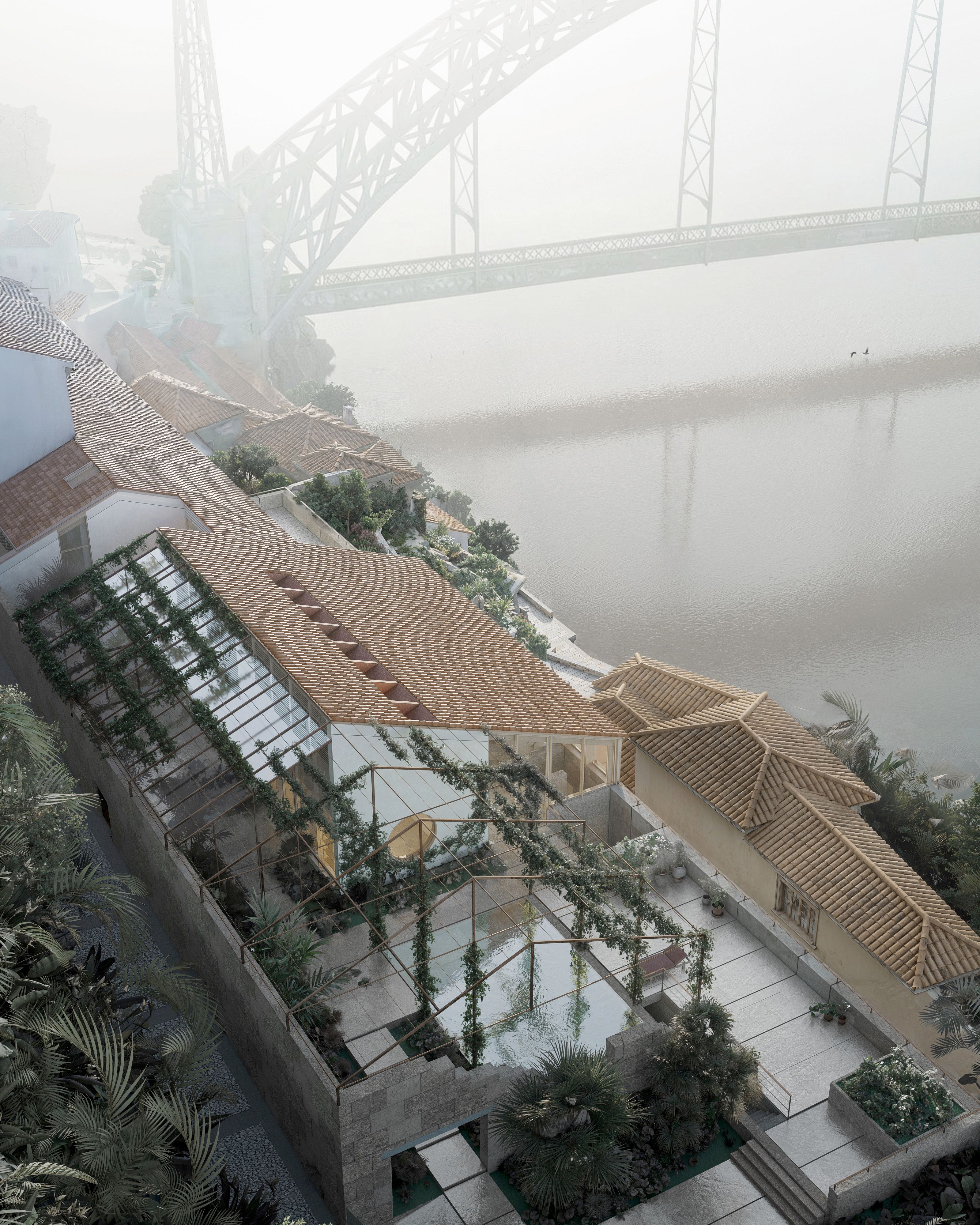
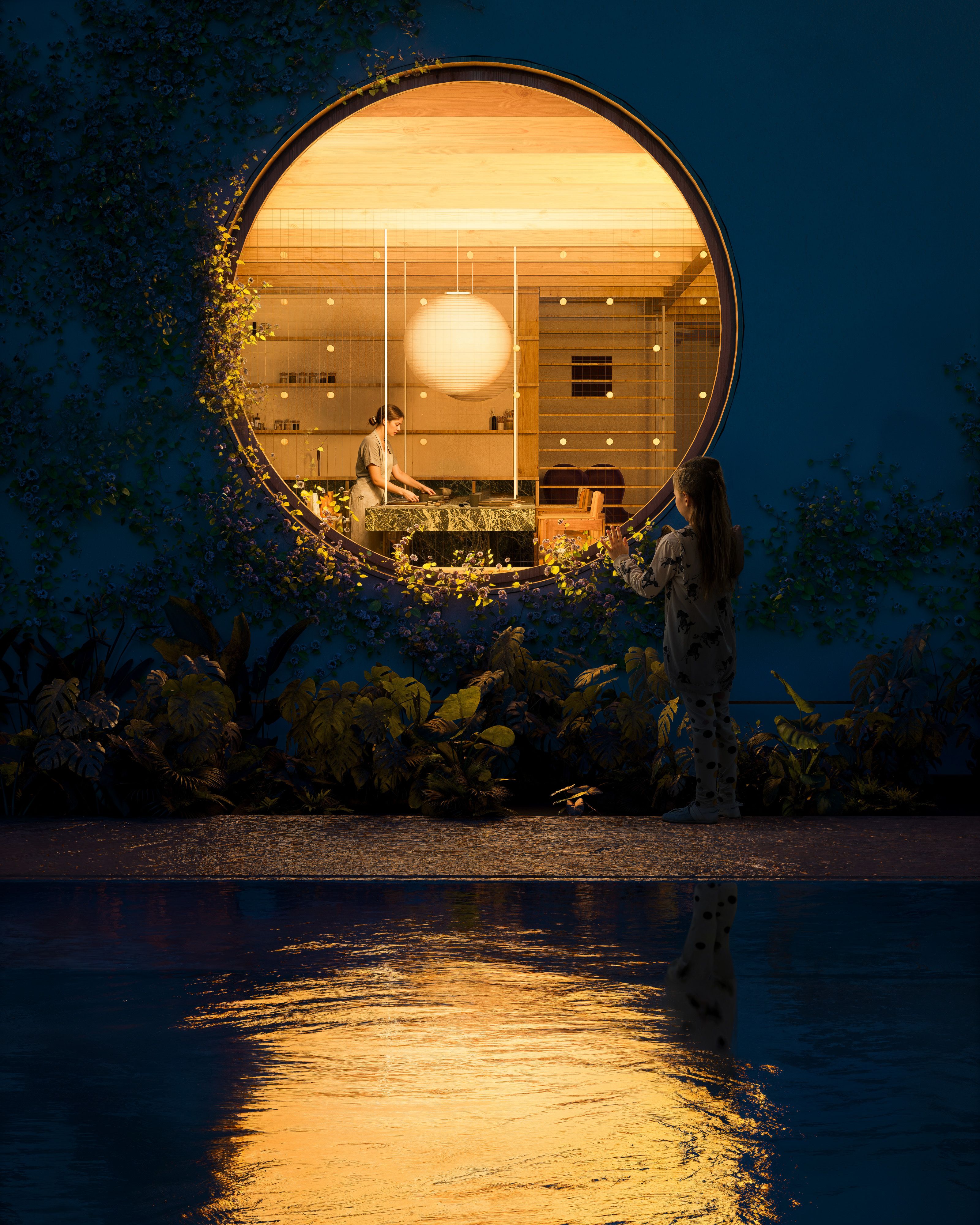
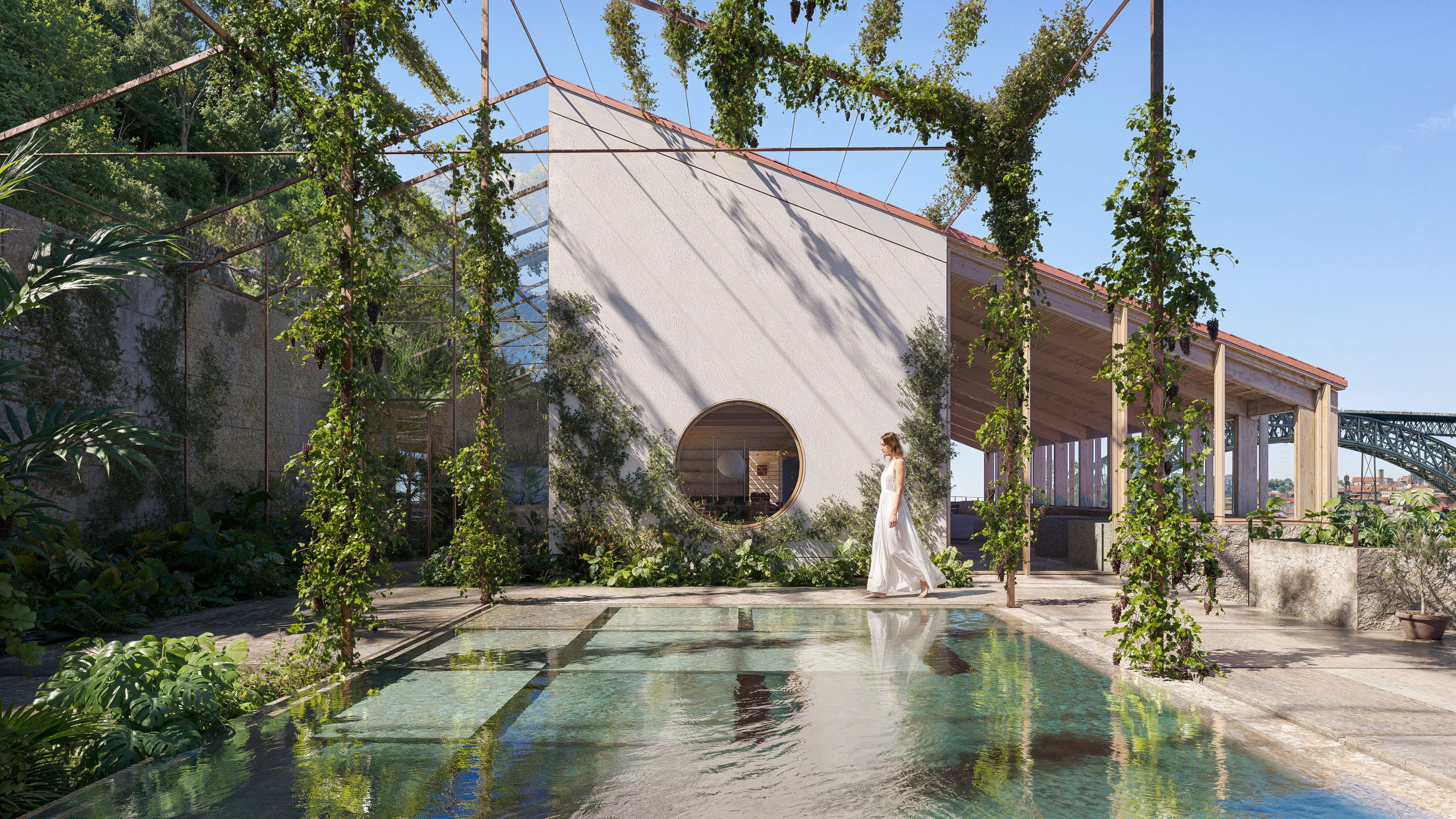
The project consists of a single–family residence that integrates an atelier and an exhibition gallery, located on a prominent site of significant cultural value. The plot is part of the city’s architectural heritage, marked by the remains of an old industrial complex now in ruins, as well as historic cellars that shape the area’s distinctive urban landscape. The site offers a powerful dual condition: on the one hand, a splendid view of the Douro River; on the other, extensive sun exposure, which together inform the project’s core design strategy.
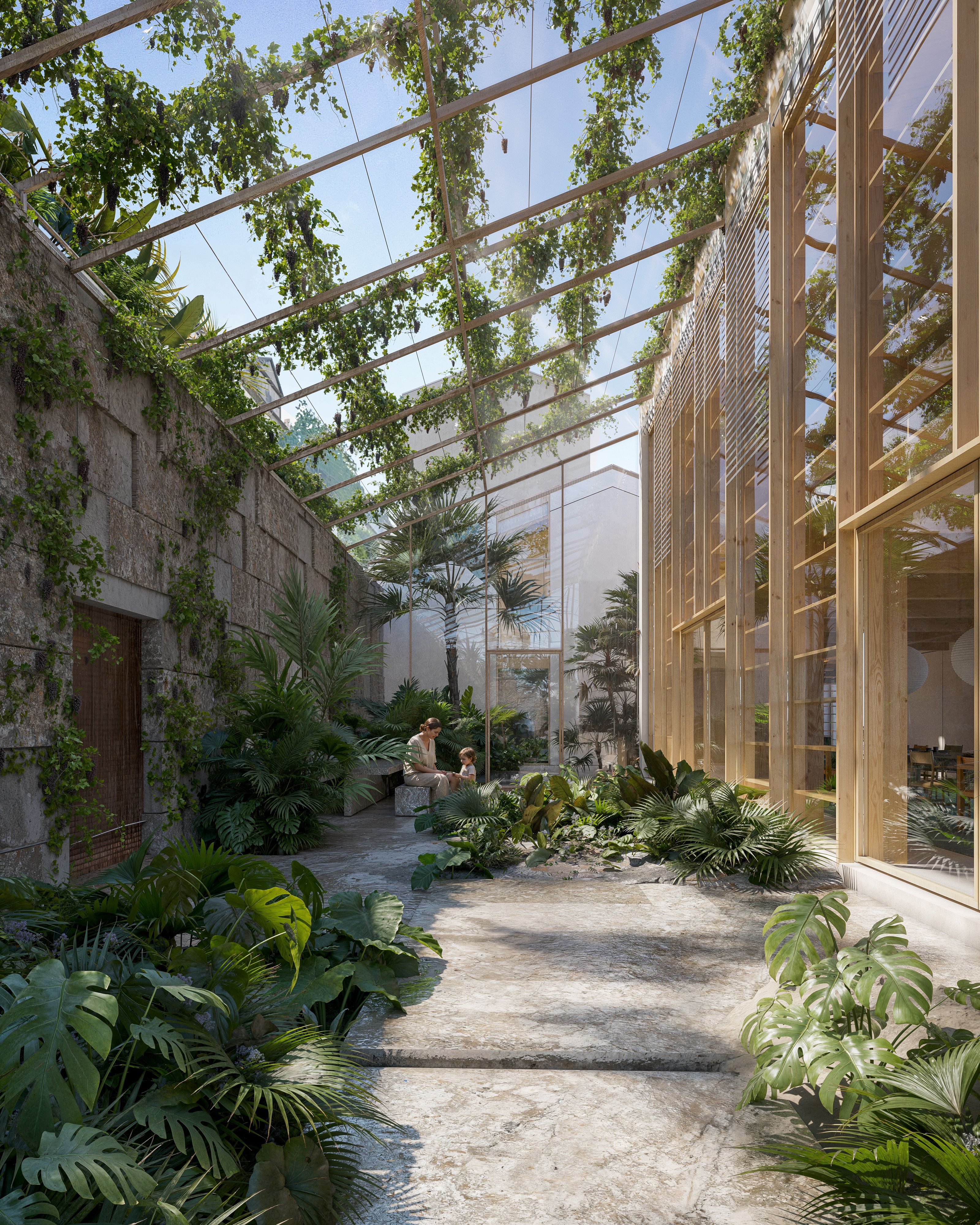
Responding to local climatic conditions, the new building volume is positioned slightly north of the existing main wall and its natural location, creating space for a winter garden that becomes the heart of the project. This greenhouse space enhances solar gains and acts as a thermal buffer, enabling passive heating during winter months and promoting natural ventilation when fully opened and shaded in warmer periods. As a result, the winter garden extends the usable living area throughout the year while contributing significantly to indoor thermal comfort.
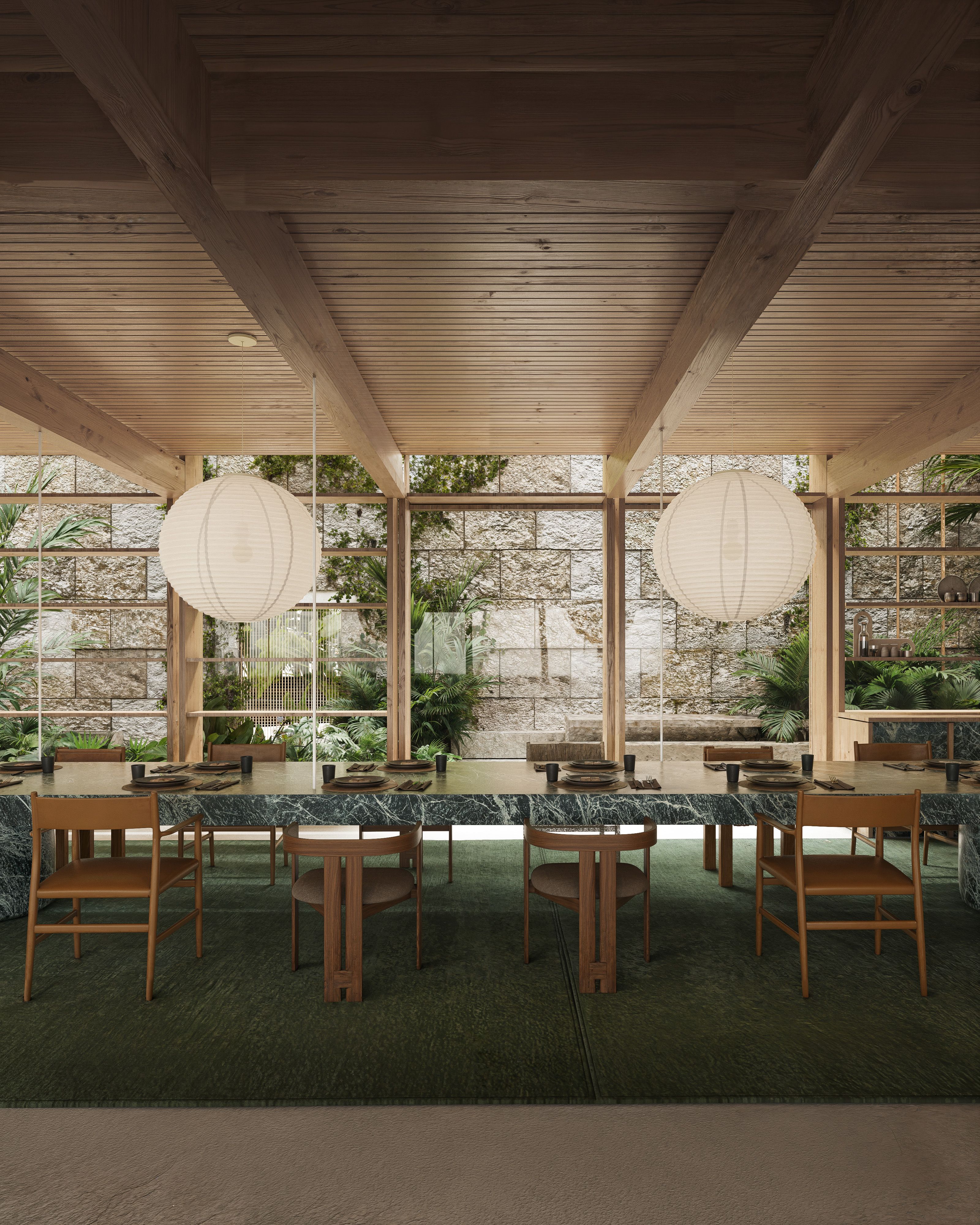
The building is carefully inserted into the existing ruins, maintaining alignment with neighboring structures and reinforcing a harmonious integration with the surrounding landscape. Programmatically, the house is organized into two distinct parts: the upper two floors accommodate the residential spaces, expressed through a lighter construction system and warmer material palette, while the lower levels are embedded into the rocky terrain and house the atelier, exhibition gallery, and garage.
Structurally, the project employs a glulam and CLT system for the upper volumes, combined with prefabricated natural stone panels for the lower floors, using on–site material. Prefabrication was essential given the site’s complex construction constraints. Following a comprehensive approval process with municipal and regional cultural authorities, the project received authorization in early 2025. Ultimately, the design embodies a bioclimatic, low–impact approach, prioritizing site sensitivity, climatic responsiveness, and locally sourced materials to achieve a carbon– and energy–neutral home.